
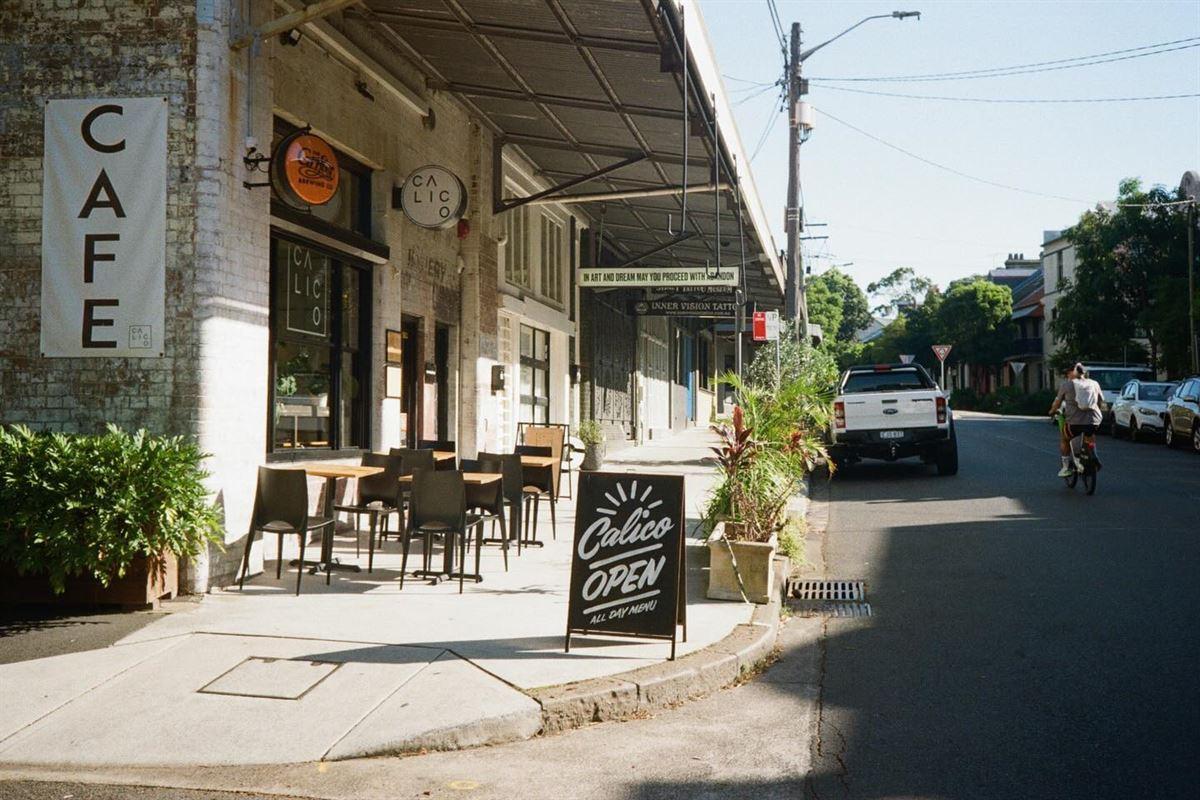
Your restaurant isn’t on Google Maps, but competitors are getting the customers?
Annoying, right? Someone searches for a restaurant nearby, and yours just doesn’t show up. The place down the street gets the click. Gets the call. Gets the booking. You get nothing.
A Google Business Profile helps. But just having one isn’t enough. Not even close.
Your profile, your website, your reviews, your local info, all of it needs to actually work together. Not sit there as separate, disconnected pieces that don’t talk to each other.
This is where restaurant SEO comes in.
And look, the goal isn’t complicated. You want your restaurant website showing up when locals search for the food, the service, or the experience you offer. That’s it.
Why Are Your Competitors Ranking Above Your Restaurant?
It’s confusing when you see a competitor outranking you. Genuinely confusing.
Because maybe you serve better food. Maybe your customers are happier. Maybe you’ve been around longer. Doesn’t matter.
Google doesn’t taste your food. It reads your data.
So if your rankings are low, start boring. Check your category. Your location. Your hours. Your website. Your menu. Your photos. Your reviews. Somewhere in there, something’s probably wrong or just old.
I’ve looked at restaurant profiles where the owner swore everything was fine, and then we found the address pointed to a building two suburbs over. Nobody noticed for a year. That’s the kind of thing that quietly kills your visibility.
Keep Your Restaurant Bio Updated
Here’s a dumb one I see constantly. Website says you close at 9. Google says 10. Small mismatch. Big problem.
Because customers get confused. And so does Google, honestly, it’ll just pick whichever version it trusts more, and that might not be the right one.
Keep it all matching. Same hours, same everything, across your site and your profile. Boring advice, I know. But it works, and it directly supports your local search visibility.
Start With Your Google Business Profile
First thing, check it’s actually verified. Sounds obvious. You’d be shocked how many aren’t.
Then go through the rest. Name, address, phone, website, hours, menu, category. Your category especially, pick one that actually describes what you do, not something vaguely close to it.
A profile isn’t something you set up once and walk away from. It needs regular attention as things change, new menu items, updated hours, new services you’ve started offering.
This is exactly why ongoing Google Business Profile management matters so much for busy owners. You’re running a restaurant, not babysitting a listing. Good profile services handle that consistency for you.
If you don’t show up even when someone searches your exact name, check the obvious stuff first. Verified? Correct address? Right category? No duplicate listing floating around somewhere competing against you?
But if you do show up for your name, just not for “restaurants near me,” that’s a different animal entirely. That’s a ranking problem, not a visibility one.
Consistent Restaurant Information Everywhere
Your details need to look identical everywhere someone finds you.
Name. Address. Phone number. Hours. Website. Menu. Cuisine type. Check all of it across your Google profile, your website, your socials, any local directories you’re listed on.
Because for restaurant SEO, this consistency is what helps Google actually understand what your restaurant is and show it for the right searches. And it matters for AI search too.
These tools pull from multiple sources when deciding what to recommend, and mismatched info just confuses them.
Keep it simple. Keep it accurate. Keep it current.
Is It Easy for Customers to Book?
Getting found is step one. It’s not the finish line.
Once someone actually finds you on Google, what happens next needs to be dead simple. A proper online booking system turns “I found this place” into “I’ve got a table for Friday.”
Your booking link shouldn’t be buried. Nobody’s digging through four pages to reserve a table. They’ll just leave and book somewhere else instead.
This is where visibility and actual conversions meet up. Because showing up on Google means very little if people bail before they can book.
And clear, matching information across your site and profiles helps with something called restaurant entity optimisation, basically GEO for restaurants.
When everything describes your business the same way, search systems get a much cleaner picture of who you actually are.
Relevant and Real Business Photos
Photos matter more than owners think.
Use real ones. Your food. Your dining room. Your entrance. The actual vibe of the place. People want a sense of what they’re walking into before they book a table.
Your website needs to back this up too, location, contact info, menu, hours, booking link, all easy to find, all working on mobile.
Because if this stuff’s weak, you’ll feel it. Low website traffic. Fewer people coming from Google. Bookings that just don’t materialize.
Why Are Other Restaurants Doing Better?
Honestly, your competitors are a free audit if you look at them properly.
Check out whoever’s ranking above you. Their categories. Their reviews. Their photos. Their menu info. How easy booking is on their site versus yours.
Got more recent reviews than you? Better photos? Clearer menu? Easier booking flow? These aren’t huge differences individually. But stacked together, they’re exactly what tips someone toward choosing them over you.
Can Reviews Affect Your Local Visibility?
Yes. Reviews genuinely move the needle on where people decide to eat.
Good reviews build trust fast. They can be the actual reason someone picks you over the place next door.
But here’s the thing most owners get wrong, they treat it like a numbers game. More reviews equals better, right? Not quite.
Real restaurant review management means actually monitoring feedback and responding consistently. Thank people for the good ones. Respond calmly to the bad ones, don’t get defensive, don’t ignore them either.
And pay attention to patterns. If three different people mention slow service in the same month, that’s not bad luck. That’s a signal worth acting on.
Never, ever buy fake reviews. It’ll wreck your reputation the moment someone figures it out, and people usually do.
Simple Google Maps Checklist
- Verified Google Business Profile
- Correct restaurant address
- Updated opening and holiday hours
- Correct restaurant category
- Fresh and genuine photos
- Real customer reviews
- Helpful review responses
- Updated menu and service details
- Consistent business information
- Useful local website content
- Mobile-friendly website
- Easy booking option
Should You Fix This?
Probably yes. Most restaurants we look at need at least a few of these fixed.
Start with the profile. Verified? Bio filled out properly? Then work through this:
- Address and contact details are correct
- Category is relevant and current
- Opening and holiday hours are accurate
- Photos are real and optimised
- Reviews are recent and genuine
- Menu and services are clearly listed
- Website and booking link actually work
- Site is easy to use on mobile
- You’re appearing in relevant local searches
- Info is consistent across every listing
- Website is pulling in local visitors
- Booking is genuinely easy for customers
Compare yourself against whoever’s beating you. Find the gaps. Fix the ones that’ll actually move the needle first, not every tiny thing at once.
Because you might already serve great food and have loyal customers. But none of that shows up on Google unless the basics are locked in too.
Frequently Asked Questions
1. Why isn’t my restaurant appearing for “near me” searches?
Usually it’s poor profile optimisation, wrong location details, or you’re just too far from whoever’s searching.
2. Can Google reviews help my restaurant attract more customers?
Yes. Recent, genuine reviews build trust fast and make you more appealing across Search and Maps. Responding to them shows customers you’re actually paying attention.
3. How long does it take for a restaurant to rank on Google Maps?
Depends on your location, your competition, your profile, your reviews, basically your whole restaurant SEO picture.
4. Why are nearby restaurants ranking higher than mine?
They might just have stronger profiles, more reviews, better local signals, or they’re physically closer to the person searching. Sometimes it really is that simple.
5. Can photos help my restaurant rank better?
Yes. Genuine, good-quality photos make your profile more useful to customers and more appealing in search.
Turning Google Visibility Into More Restaurant Customers
Check your name, address, phone, hours, website, menu, and cuisine across every single platform you’re on, profile, website, socials, local listings.
For restaurant SEO, this consistency is what helps Google match you to the right searches. And it supports your visibility in AI search too, since those tools are pulling from scattered sources to figure out who to recommend.
Keep everything useful, accurate, and easy to find. Location, cuisine, menu, hours, services, booking, all current, all clear.
Really, the goal’s simple.
Be easy to find. Be easy to understand. Be easy to choose.